For individuals living with diabetes, managing blood sugar levels, monitoring diet, and taking prescribed medications are part of the daily routine. But there is another critical area of health that requires just as much daily vigilance, if not more: foot care.
Diabetes is a systemic condition that directly impacts the feet in two major ways—by reducing blood flow and damaging nerves. Because of this, a tiny scratch, a minor blister, or an improperly trimmed toenail can quickly spiral into a severe, life-threatening medical emergency.
For patients who find it physically exhausting or logistically challenging to visit a traditional clinic, in-home diabetic foot care is not just about convenience; it is a vital shield against major health complications. Here is why regular checkups at home are absolutely essential.
The Hidden Dangers: How Diabetes Affects the Feet
Diabetic Foot Care at Home: Why Regular Checkups Prevent Serious Complications
The Hidden Dangers: How Diabetes Affects the Feet
To understand why professional preventative care is so critical, it helps to understand what diabetes does to the lower extremities over time:
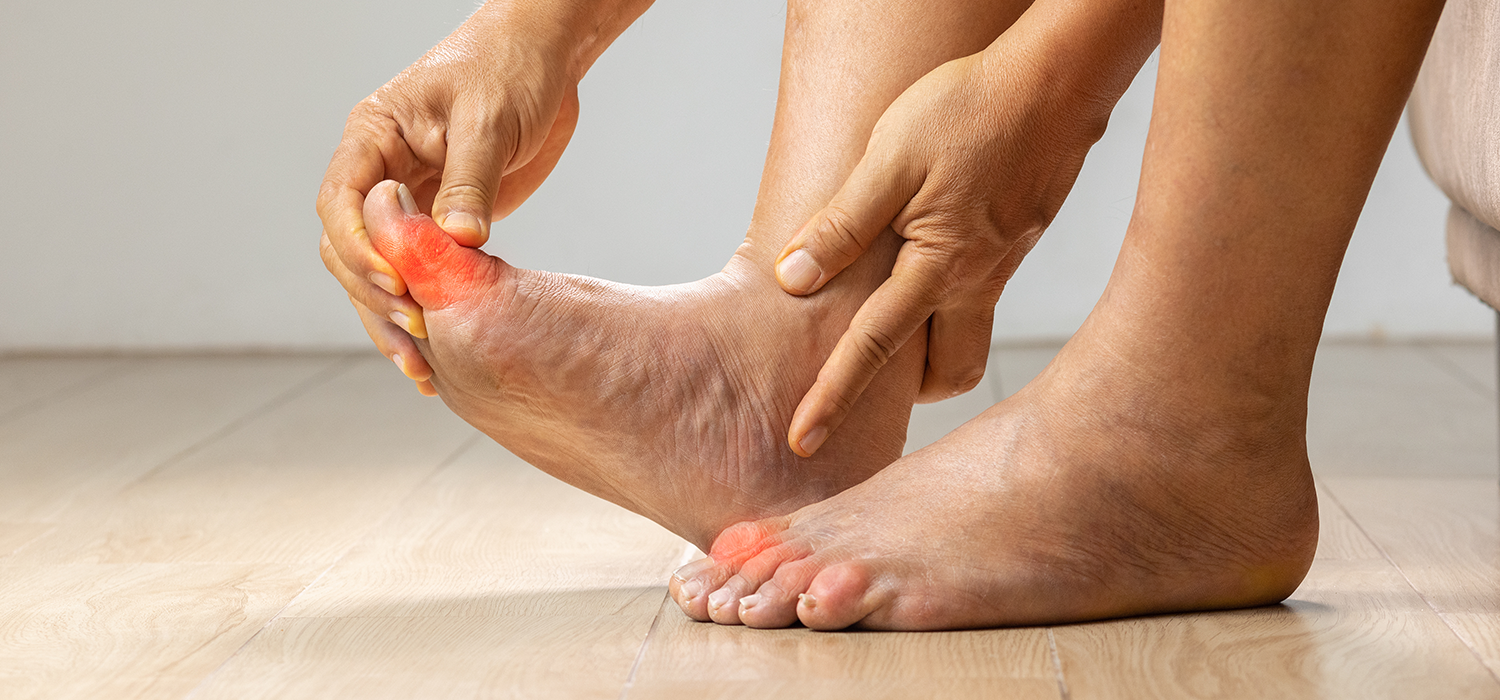
Diabetic Neuropathy (Nerve Damage): High blood sugar can permanently damage the nerves in your legs and feet. This often causes numbness, meaning a patient can walk around with a pebble in their shoe, a deep blister, or an ingrown toenail and feel absolutely no pain.
Peripheral Vascular Disease (Poor Circulation): Diabetes narrows the blood vessels, severely reducing blood flow to the feet. Without proper circulation, the body’s natural healing power is drastically compromised. A small cut that would heal in days for a healthy adult can take months to close for a diabetic patient.
Increased Risk of Infection: Because wounds heal slowly and nerve damage delays their detection, bacteria can easily enter a foot sore, leading to deep tissue infections, bone infections (osteomyelitis), and ultimately, gangrene.
Why "DIY" Foot Care at Home is Highly Risky for Diabetics
Many well-meaning family members or patients attempt to handle routine foot grooming themselves. However, for a diabetic individual, basic bathroom grooming can carry severe risks:
The Danger of Bathroom Surgery: Attempting to cut out an ingrown toenail, or using over-the-counter chemical removers on corns and calluses, can tear the delicate skin and create open wounds.
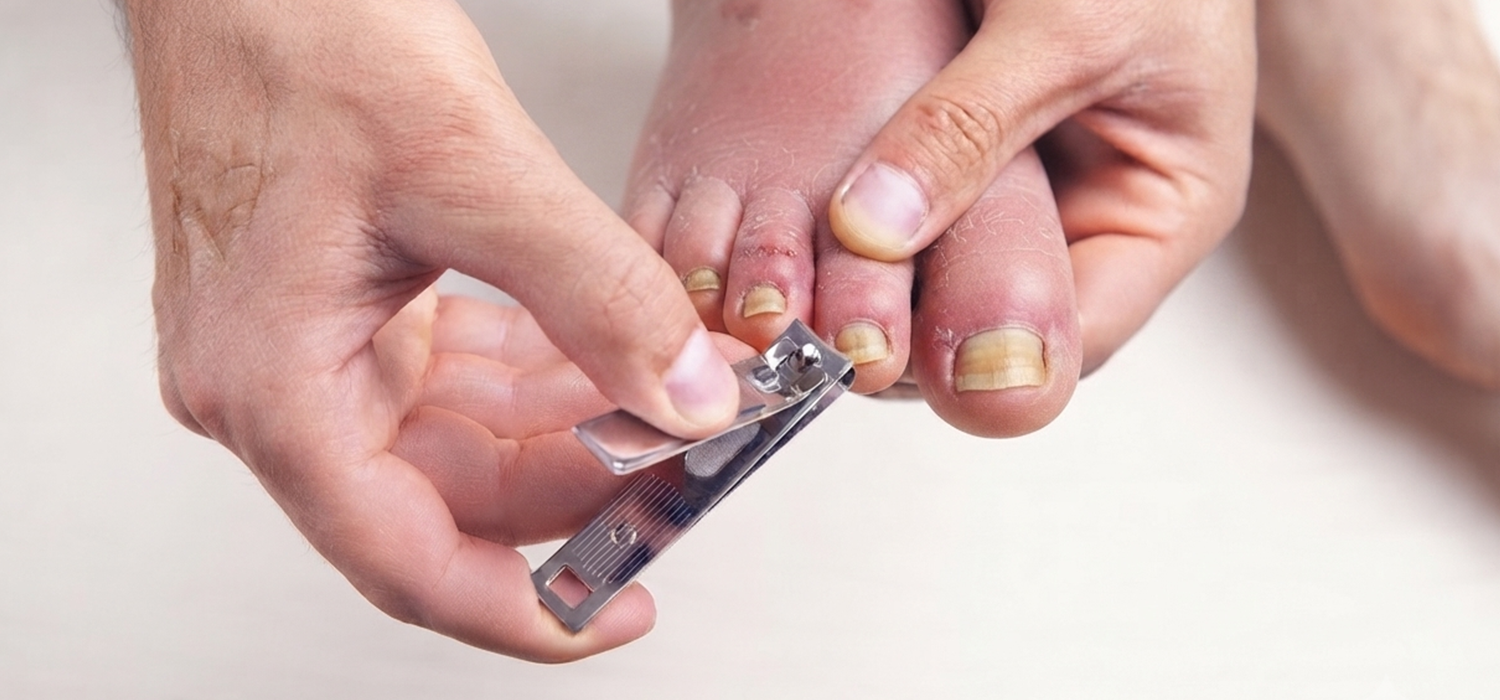
Accidental Cuts: Fading eyesight or shaky hands make using standard clippers incredibly dangerous. A single nick to the skin can open the door to a non-healing ulcer.
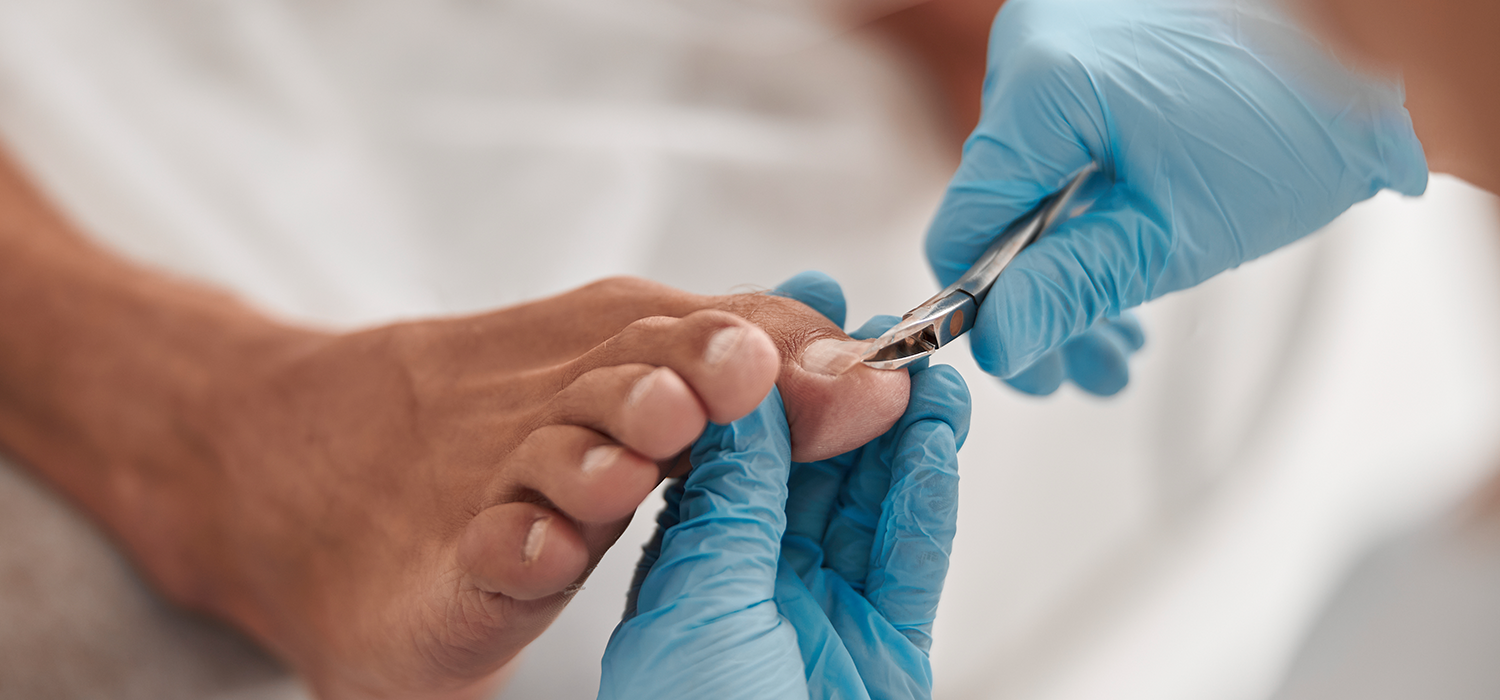
A specialized mobile podiatrist utilizes sterile, medical-grade tools and precision techniques to trim nails and reduce calluses safely, entirely eliminating the risk of accidental trauma to the feet.
What Happens During an In-Home Diabetic Foot Exam?
When a licensed podiatrist comes to your residence for a routine diabetic visit, they perform a comprehensive assessment designed to spot and neutralize problems before they start:
Neurological Evaluation: Using a specialized instrument called a monofilament, the doctor tests the sensitivity of the feet to ensure neuropathy hasn't compromised the patient's ability to feel pain or injury.
Vascular Assessment: The doctor checks the strength of the pulses in the feet and evaluates skin temperature and color to monitor blood flow and circulation health.
Dermatological Inspection: The feet are thoroughly examined for hidden blisters, cracks between the toes, fungal infections, or early signs of pressure sores.
Professional Preventative Maintenance: Nails are safely trimmed, and thick calluses (which can cause high-pressure points and skin breakdown underneath) are painlessly smoothed down.
Prevention is the Best Medicine: Schedule Your Consultation
The statistics are sobering: a vast majority of diabetes-related amputations start with a simple, neglected foot ulcer. The good news is that up to 85% of these serious complications are completely preventable with regular, professional podiatric monitoring.
You do not have to endure the physical strain and stress of traveling to a busy medical office to protect your health or the health of your elderly parents.
Bring specialized, comprehensive preventative care directly to the comfort and safety of your own home with Podiatry on Wheels.